
Specialist Inspection for Rubber-Lined Assets
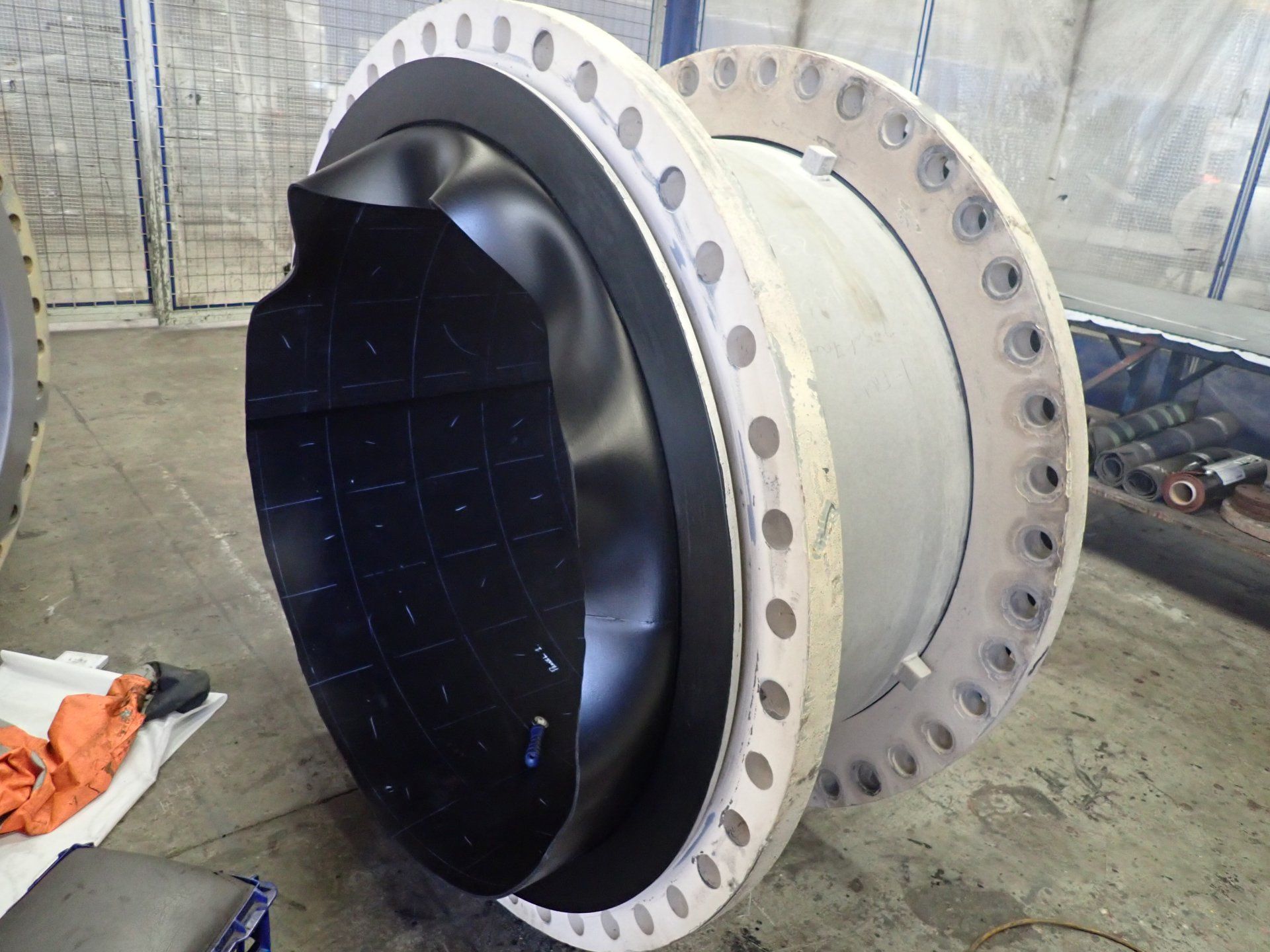
Rubber lining inspection is essential to keep rubber-lined tanks, vessels, and industrial equipment performing safely and for as long as possible. Rubber linings are not the same as ordinary paint systems. They behave like elastomers, they cure differently, and they need a closer, specialist eye at every stage. Corrplus provides specialist rubber lining inspection and testing services tailored to Australian projects and overseas manufacturing, giving clients practical quality assurance through methodical checks.
Why Rubber Lining Needs Specialist Inspection
Rubber linings are thicker, more flexible, and more demanding to apply than conventional coatings. Small mistakes can create problems that only show up later, sometimes after cure. Specialist inspection targets these risks, so defects such as blisters, adhesion failures, pinholes, or seam weaknesses are caught early and fixed before they cause downtime or safety risks.
Unique Characteristics Compared to Conventional Coatings
Unlike thin, paint-like coatings, rubber linings form a thick, flexible barrier that resists chemicals and abrasion. Application requires careful surface preparation and controlled curing conditions. Visual checks alone are not enough. Bond strength and cure completeness must be confirmed, because the elastomeric properties affect how the lining performs in service.
Risks of Defects Before, During, & After Curing
Defects can arise from substrate contamination, incorrect application techniques, or improper curing temperature and humidity. Blisters and pinholes compromise protection. Poor seams create leak paths. Left unchecked, these issues can lead to premature failures, costly repairs, and unexpected outages.
What is Rubber Lining Inspection?
Rubber lining inspection is an independent quality assurance process. It starts with reviewing the specification and continues through surface preparation, application, curing, and final acceptance. The aim is simple: check conformance to technical requirements and reduce the risk of lining-related failure.
Independent Quality Assurance Across All Stages
Qualified rubber lining inspectors provide impartial verification at every critical stage. That oversight confirms procedures are followed, materials and workmanship meet project requirements, and the finished lining is suitable for service.
Key Elements: Specification Review, Surface Preparation, Application, Curing, Final Acceptance
Inspection begins with confirming the project specifications are complete and achievable. Surface cleanliness and profile are assessed. During application, inspectors monitor material use, seam formation, and repair techniques. Inspectors record and evaluate curing conditions to confirm proper vulcanisation. Finally, a full examination and testing regime verifies whether the lining meets acceptance criteria.
Inspection Stages & Critical Checks
Before Application: Substrate & Preparation Checks
Before any lining goes on, the substrate must be right. The inspector confirms this.
Documentation & Specification Verification
The inspector reviews all project documents, including technical specifications, application procedures, and material data sheets, for completeness and accuracy. Inspectors confirm the chosen lining system matches the asset’s operating conditions and chemical exposure.
Substrate Condition, Cleanliness, & Environmental Readiness
Inspectors check the substrate for defects, contamination, and moisture. Surface roughness and profile are measured against requirements. Environmental factors such as temperature and humidity are recorded to ensure conditions meet the manufacturer’s guidance before work begins.
During Application: Process Quality Controls
During application, the focus is on proper material handling, consistent seam formation, and satisfactory repair work.
Monitoring Materials, Seams, & Repairs
Inspectors verify that stored and used materials match the specification, including batch numbers and shelf life checks. Inspectors examine seam techniques and repairs for continuity and strength, ensuring no gaps or foreign matter compromise the barrier.
Compliance with Approved Procedures
Inspectors confirm that approved application methods and equipment are used. Any on-site variations are documented. Where corrective action is needed, it is agreed and recorded.
After Curing: Final Inspection & Testing
Once the lining has cured, the work is checked thoroughly before acceptance.
Visual Examination & Defect Detection
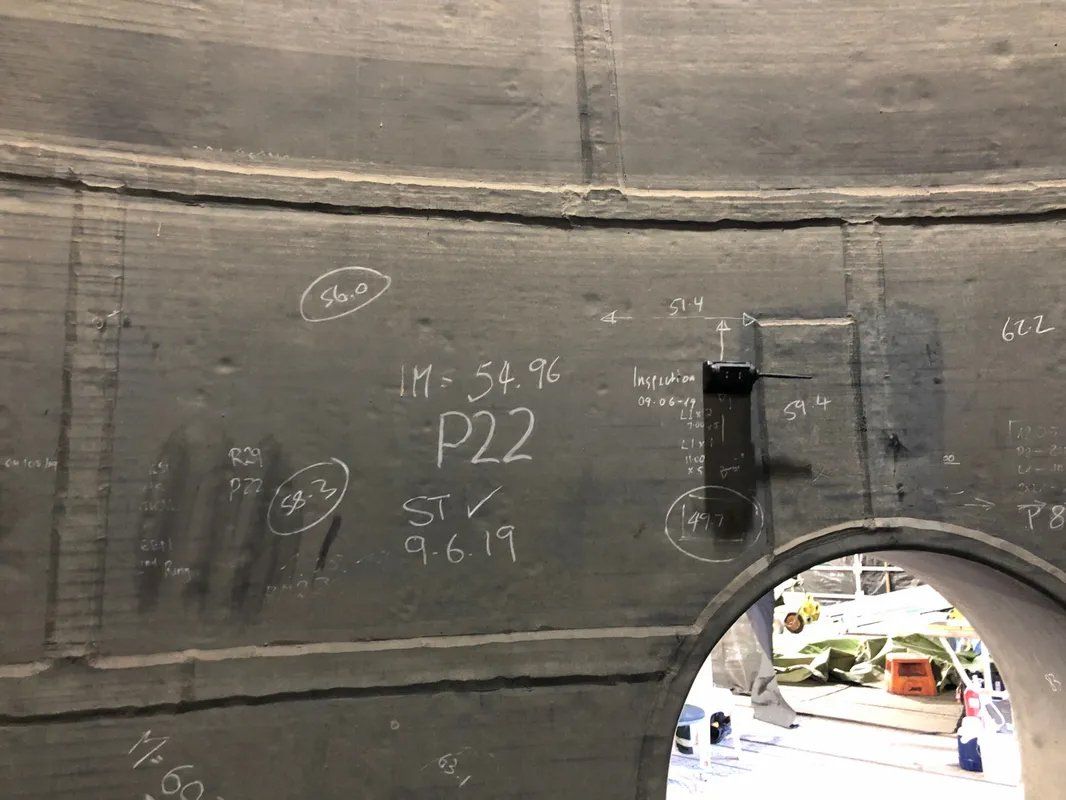
The surface is inspected under suitable lighting to identify blisters, pinholes, cracks, or physical damage. Thickness and adhesion tests are commonly performed to confirm the lining’s integrity.
Verification Against Project Requirements
Compare final findings with the project specification and contractual acceptance criteria. Non-conformances are recorded. The inspection report supports the formal acceptance decision or sets out remedial steps.
Common Defects & Their Impact
Blisters, Poor Adhesion, Pinholes, & Seam Issues
Blisters suggest trapped gases or moisture beneath the lining. Poor adhesion can lead to delamination. Pinholes create potential leak paths. Weak or faulty seams compromise the barrier function and increase the chance of failure.
Causes & Importance of Early Detection
Common causes include surface contamination, incorrect curing conditions, or improper seam technique. Finding problems early means repairs are smaller, less costly, and less disruptive.
Essential Records in a Rubber Lining Quality Report
Asset Identification, Inspection Stages, & Observations
Reports record asset details, inspection dates, covered stages, and key observations. Clear records create a traceable history for the lining through its lifecycle.
Non-Conformance Records, Test Results, & Acceptance Status
Any defects or deviations from the specification are logged with photographic or test evidence. The report includes test data, such as adhesion figures and thickness measurements. The report closes with a formal acceptance statement or recommended remedial actions.
When to Engage a Rubber Lining Inspector
New Fabrication, Repairs, Overseas Manufacture, & Shutdowns
Engage a rubber lining inspector for new fabrication, repairs or relining projects, and when manufacture occurs overseas. Inspections are also valuable during commissioning and planned maintenance shutdowns to confirm lining condition and workmanship before the asset returns to service.
Corrplus’s Specialist Capability in Rubber Lining Inspection
Experienced Rubber Lining Inspectors & Process Asset Expertise
Corrplus provides qualified inspectors with strong experience in rubber lining for process vessels and reactor tanks. Their practical knowledge supports thorough assessments against recognised standards.
Australia-wide & Overseas Support With Proven Methodologies
Corrplus supports projects across Australia and internationally, applying validated inspection plans that suit the project scope and specification. The approach is methodical and repeatable, delivering consistent quality assurance.
Invitation to Enquire for Scoped Inspection Assistance
To arrange specialist rubber lining inspection support, provide Corrplus with details about the asset type, lining system, project location, specifications, and schedule. This information allows us to develop a tailored inspection plan to protect your asset and extend its service life.