
Practical Corrosion Mitigation for Critical Assets
Corrosion is a constant challenge to the safety, reliability, and long-term performance of critical assets such as plants, pipelines, and infrastructure. Left unchecked, corrosion leads to unexpected failures, costly repairs, and safety hazards. Managing corrosion risk across an asset’s lifecycle keeps equipment working, reduces unplanned outages, and helps control maintenance spend.
Understanding Corrosion as a Lifecycle Risk
Corrosion erodes material strength, creating weak points that can cause leaks or structural failure. It undermines reliability when corrosion-related maintenance or failures force shutdowns. Over time, unchecked corrosion accelerates deterioration and drives up repair and replacement costs.
Impact of Corrosion on Safety & Reliability
Corrosion reduces the mechanical integrity of components, increasing the likelihood of hazardous incidents. Reliability suffers as assets need unplanned repairs or must be taken out of service to address deterioration.
Financial & Maintenance Consequences
Repairing corrosion damage can be expensive, in materials, labour, and lost production. Frequent corrosion-driven maintenance reduces asset availability and inflates operational costs.
Effect on Asset Longevity
Continual corrosion shortens service life, prompting premature replacement or major refurbishment. Effective mitigation extends life and lowers capital expenditure.
What Corrosion Mitigation Services Involve
Corrosion mitigation goes beyond surface treatments and patch repairs. It is a coordinated program of risk assessment, targeted inspections, specification development, planned maintenance, and periodic review. This broader approach spots problems early and manages them based on each asset’s materials, design, and environment.
Coordinated Risk Assessment & Inspection
Assessing corrosion risk looks at design, materials, environment, and current condition through focused inspections. Coordination across these elements uncovers vulnerabilities that single checks can miss.
Specification Development & Maintenance Planning
Clear technical specifications set the rules for protective measures, and maintenance planning turns inspection findings into action. The result is managed corrosion progression, not ignored corrosion.
Ongoing Review & Verification
Regularly reviewing inspection data and maintenance outcomes allows mitigation strategies to be updated and ensures works remain compliant with the specification.
Key Stages Where Corrosion Risk Originates
Corrosion risk appears at several points during an asset’s life. Each stage introduces factors that influence how and how fast corrosion develops.
Design, Material Selection & Environmental Exposure
Design choices and material selection determine inherent corrosion resistance. Environmental exposure to chemicals, moisture, and temperature cycles further dictates vulnerability.
Fabrication, Surface Preparation, & Application Quality
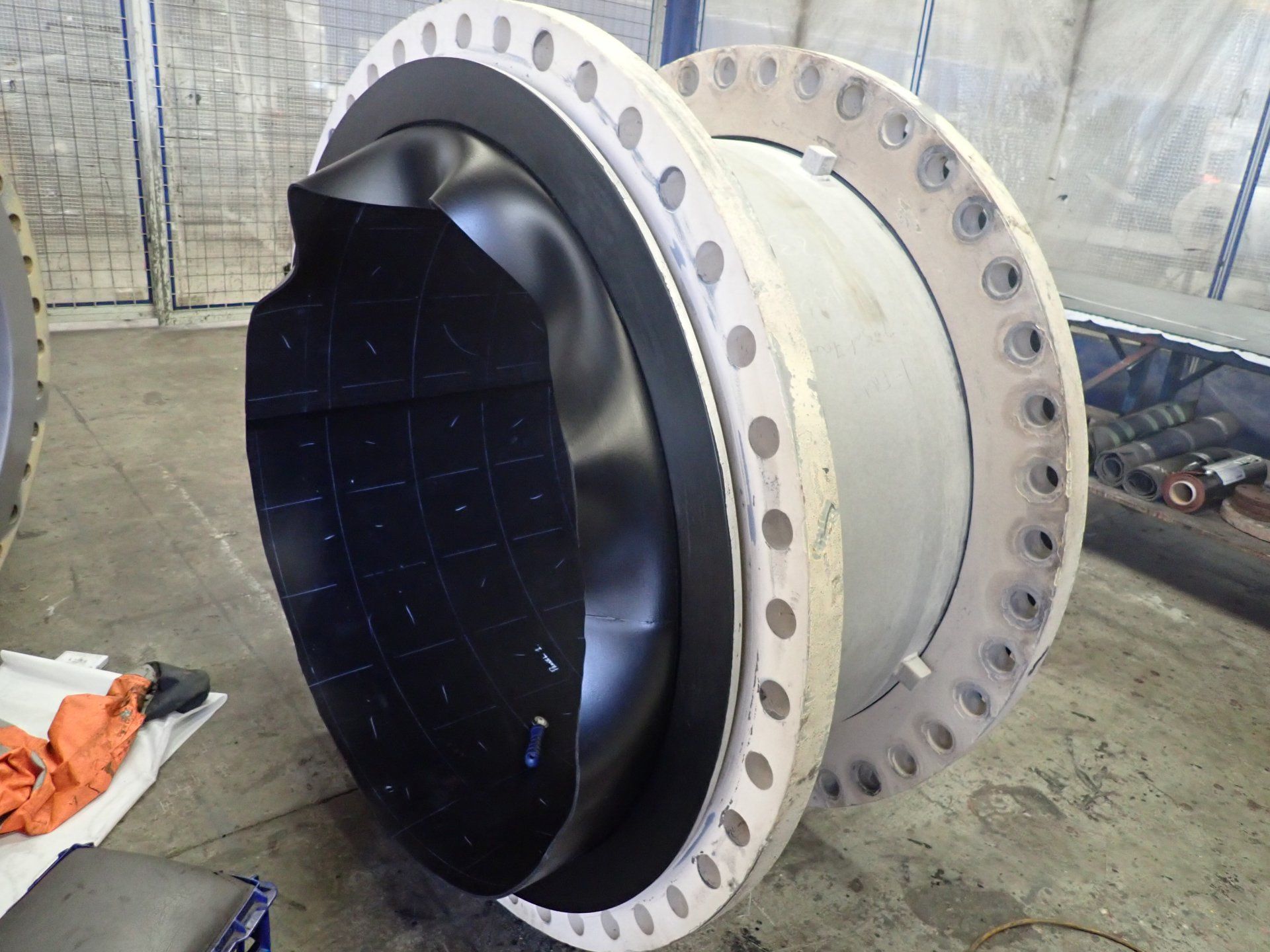
Correct fabrication, thorough surface preparation, and high-quality coating or lining application are critical to preventing corrosion from the outset.
Commissioning & In-Service Conditions
Commissioning practices and actual operating conditions shape corrosion behaviour. Fluid chemistry, flow rate, and temperature swings commonly drive ongoing corrosion.
Corrosion Prevention & Control Inspections Explained
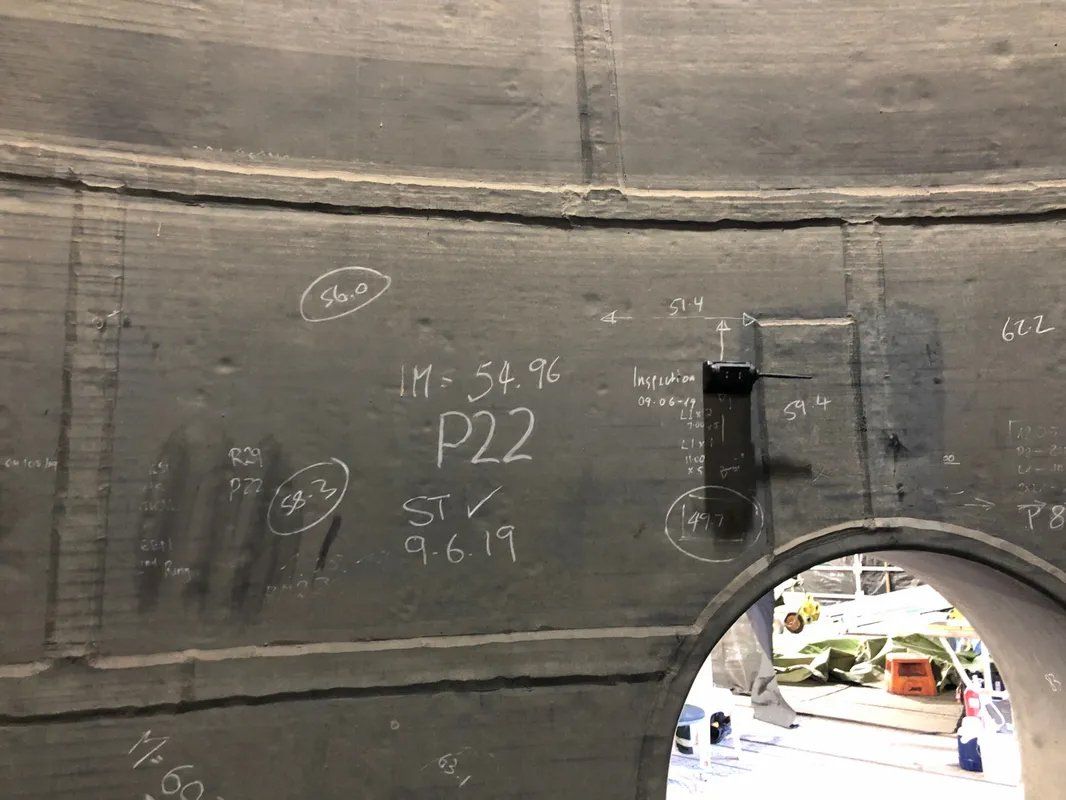
Routine corrosion prevention and corrosion control inspections are essential for tracking asset condition. Planned inspections pick up early signs of corrosion and quantify deterioration. Comparing results over time shows trends. Accurate inspection data supports maintenance decisions and reduces the risk of surprise failures.
Planned Inspections & Condition Monitoring
A systematic inspection schedule enables continuous condition assessment, helping to keep corrosion progression under control.
Identifying Deterioration & Comparing Findings
Recording findings consistently makes trend analysis possible and highlights recurring problem areas before they fail.
Using Inspection Data for Maintenance Guidance
Inspection outcomes show when and where maintenance is needed, focusing effort on the areas that most affect safety and availability.
Specifications & Maintenance Planning Benefits
Clear specifications and maintenance plans cut the chances of avoidable corrosion failures. Written standards ensure protective measures are applied consistently. Planning maintenance around inspection data extends intervals between major shutdowns by addressing corrosion before it escalates. The end result is better asset availability and lower operational impact.
Reducing Avoidable Failures
Well-drafted specifications address the specific corrosion risks that threaten an asset, avoiding premature damage and failure.
Extending Intervals Between Major Maintenance
Strategic maintenance scheduling, informed by inspection data, reduces the frequency and impact of costly shutdowns.
Assets Supported by Corrplus Across Australia
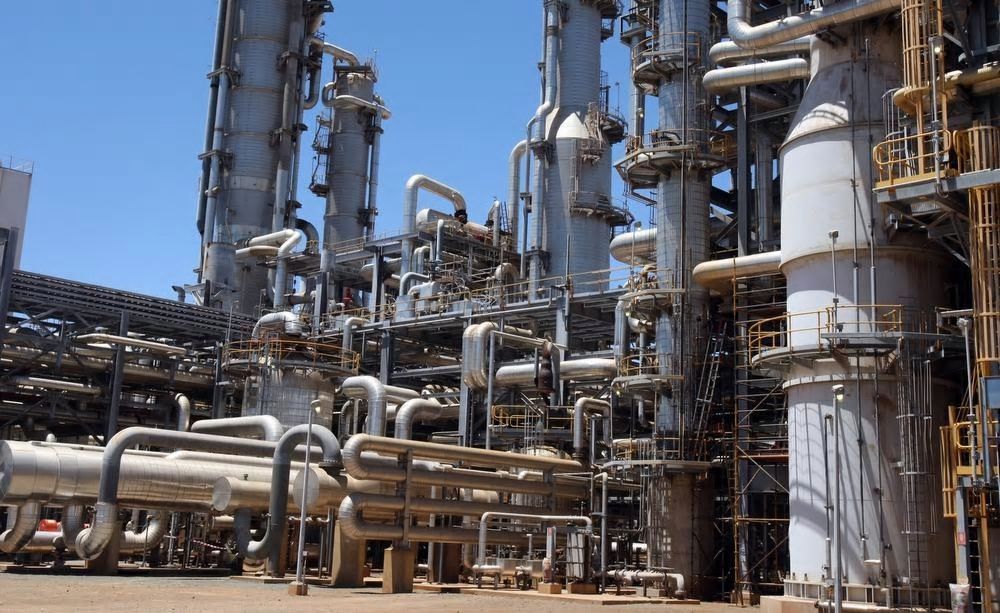
Corrplus provides corrosion mitigation services for a wide range of assets across Australia. Our experience covers industrial plants, pipelines, bridges, tanks, and process vessels. We adapt our approach to coastal, industrial, and remote environments, matching the strategy to local conditions.
Plants, Pipelines, Bridges, & Infrastructure
We deliver corrosion assessments and mitigation strategies for complex industrial systems and public infrastructure alike.
Tanks & Process or Reactor Vessels
We offer specialised inspection and specification services for tanks and reactors that operate in aggressive service conditions.
When to Engage Corrosion Management Consultants
Engage corrosion management consultants early in new projects to embed corrosion controls into design and fabrication. Our oversight is especially useful for offshore or overseas fabrication, to ensure workmanship meets corrosion requirements. Consultants are also valuable during asset handover, for ageing infrastructure showing corrosion-related issues, or when planning shutdowns and reviewing existing corrosion specifications.
New Projects & Overseas Fabrication
Early involvement prevents costly corrosion problems by building mitigation into design and procurement decisions.
Asset Handover & Ageing Infrastructure
Consultants can verify condition before transfer and help address corrosion in older assets.
Recurring Failures & Shutdown Planning
Expert input helps manage persistent problems and plan maintenance more efficiently.
The Value of Independent Corrosion Engineering Advice
Corrplus provides independent corrosion engineering advice, free from manufacturer or applicator influence. That independence means recommendations focus on asset performance and longevity. Our consulting engineers and multi-disciplined inspection teams apply validated methods to deliver reliable, impartial guidance.
Independence from Manufacturers & Applicators
Being detached from suppliers eliminates conflicts of interest and builds trust in the recommendations.
Asset-Focused & Unbiased Recommendations
Our advice prioritises the asset’s needs and operational realities.
Starting Your Corrosion Mitigation Journey
Begin by gathering key asset information, such as asset type, location, operating environment, known deterioration, current protective specifications, and maintenance plans. Contact Corrplus to discuss specific corrosion challenges and receive tailored guidance. Our team supports practical corrosion management with experienced, independent advice.
Preparing Asset Information for Consultation
Collect technical drawings, inspection reports, operating conditions, and current maintenance history to help us assess your asset efficiently.
Contact Corrplus for Expert Corrosion Mitigation Services
Contact our specialists to develop a corrosion mitigation strategy that fits your asset and its service.
Explore Corrplus corrosion mitigation services to reduce corrosion risk and protect critical assets nationwide. Share your asset information with our team to receive trusted, independent corrosion management for safe, reliable operation.