


Independent Coating Inspection for Long-Term Asset Protection
Coating inspection services keep industrial and infrastructure assets working longer, with fewer surprises. Mistakes during surface preparation or coating application can lead to costly repairs, downtime, and premature failure. Independent coating inspection provides verified quality assurance through the asset’s life, confirming compliance with specifications and recognised industry standards.
Why Coating Inspection Matters
Coating failure often starts with poor surface preparation or incorrect application, which undermines the protective layer. Protective coating inspection reduces corrosion risk and material loss by checking each stage of the coating process. The result is greater asset reliability and extended service life.
Risks of Inadequate Coating Application
When coatings are applied incorrectly, or surfaces are not prepared properly, assets face faster corrosion, structural damage, and possible safety hazards. Defects such as blistering, cracking, or delamination can cause rework and operational interruptions if not identified early.
Coating Inspection as Quality Assurance
Monitoring key stages during coating work confirms that materials and workmanship meet project requirements. This oversight makes coatings more likely to perform as intended, reducing the risk of premature failure and providing documented proof for quality control.
What Are Coating Inspection Services?
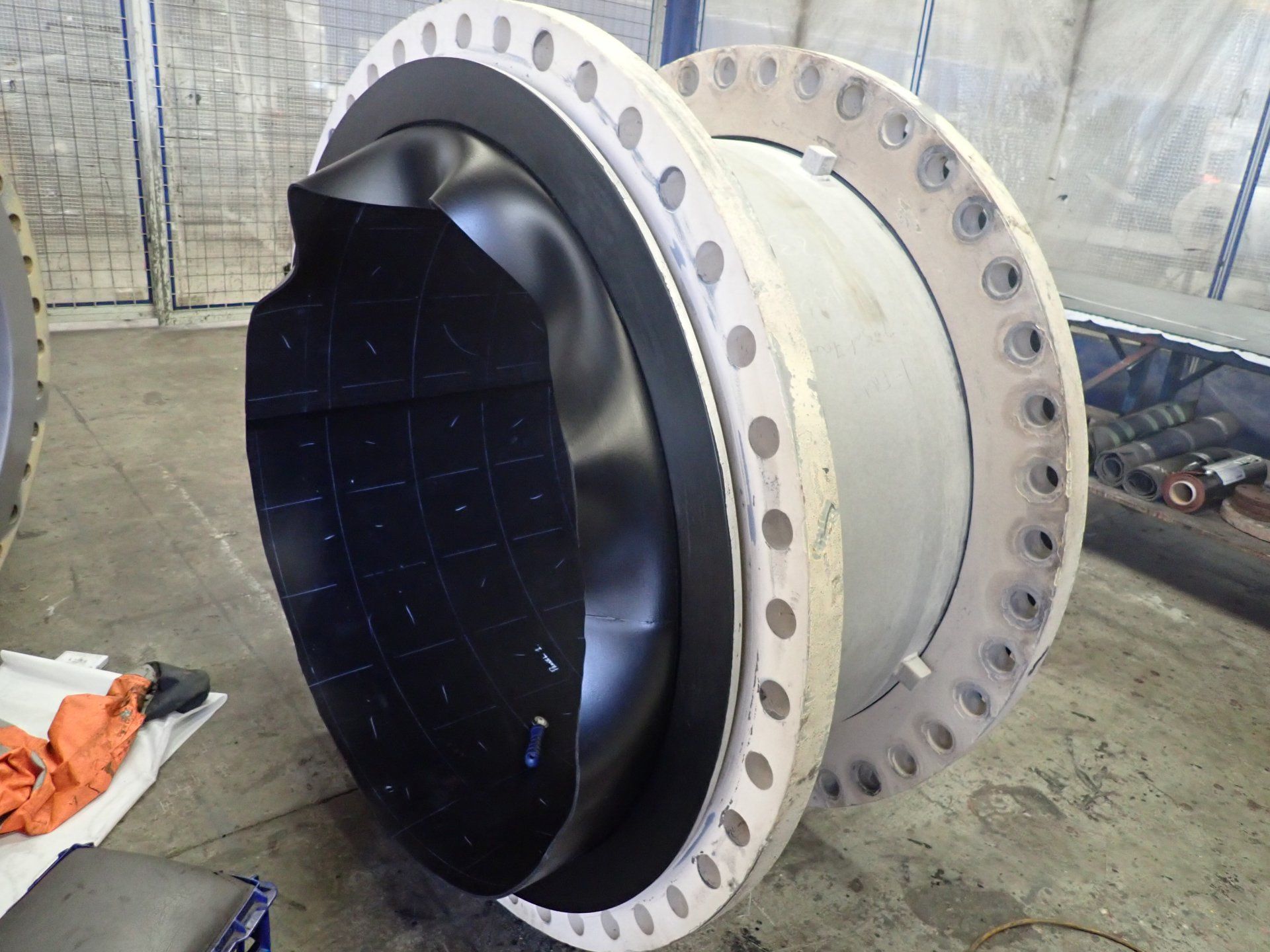
Coating inspection services are impartial evaluations conducted by qualified inspectors independent of the contractor applying the coating. These inspections focus on real-time verification of compliance with project specifications, applicable codes, and industry standards.
Defining Independent Inspection
Independence means the inspector has no financial or other vested interest in the application, so their assessment is objective. That impartiality supports clear reporting and enforcement of contract requirements.
How It Differs from Maintenance & Failure Analysis
Maintenance inspections and failure investigations look at existing conditions or causes after problems appear. Coating inspection services check the application process as it happens. The emphasis is on prevention, catching issues before they become failures.
Inspection Across the Project Lifecycle
Coating inspection supports asset protection at every stage, from preparation through to operation.
Pre-Application Inspection
Before coating starts, inspectors check surface readiness, environmental suitability, and confirm inspection plans. This stage catches problems early, avoiding costly fixes later.
Application-Stage Inspection
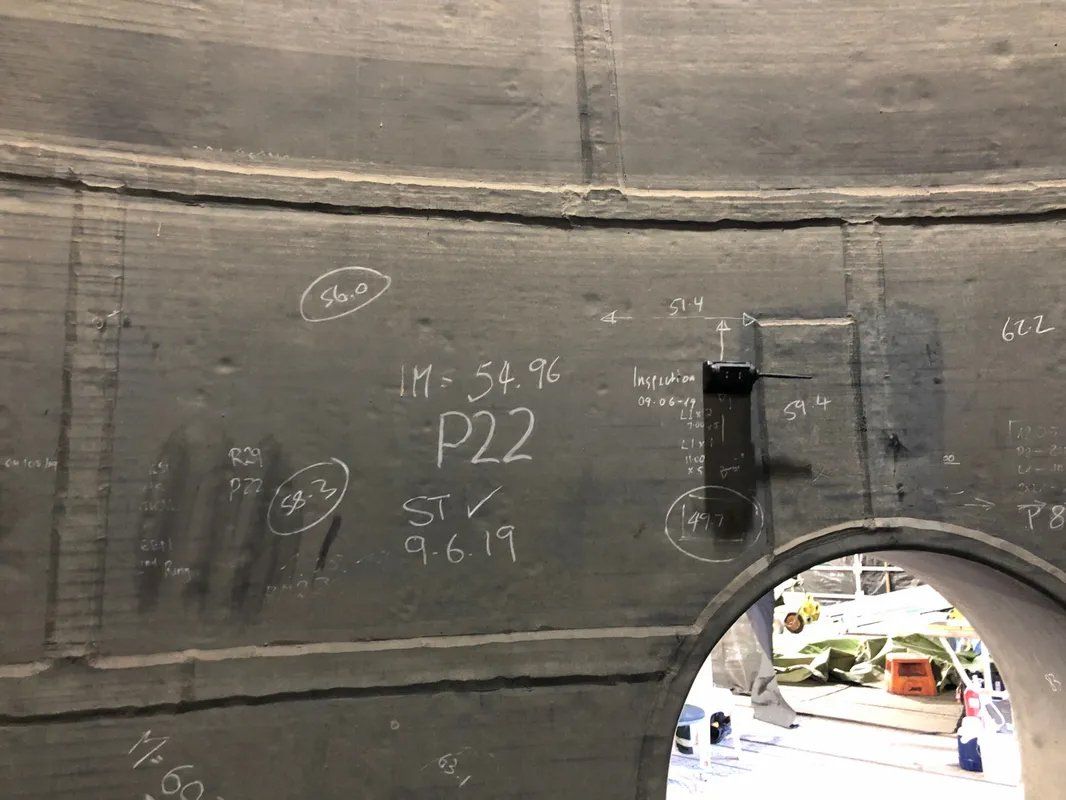
Ongoing monitoring during application verifies process conformity, workmanship quality, and adherence to specifications.
Final Acceptance & In-Service Inspection
Final inspections confirm coating systems meet requirements before commissioning or handover. Periodic in-service inspections find early signs of degradation, enabling timely maintenance interventions.
Overseas Fabrication & Pre-Shipment Checks
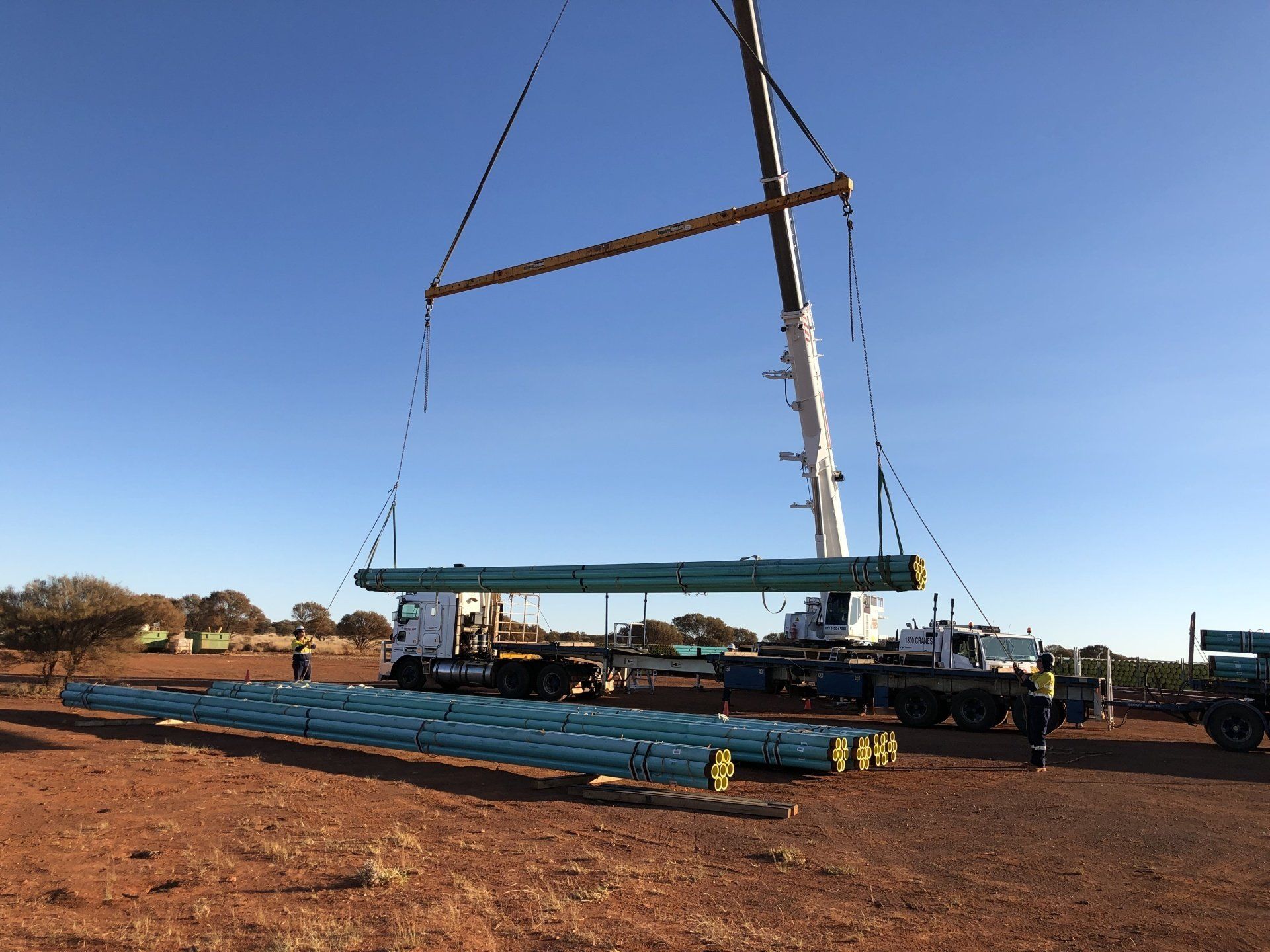
For items coated overseas, inspections at the manufacturing or shipping stage ensure coatings meet Australian requirements before import and installation.
Assets & Industries That Require Inspection
Coating inspection services matter across many sectors and asset types.
Infrastructure: Bridges, Rail, & Concrete
Protective coatings on bridges, rail systems, and concrete structures guard against environmental exposure and help extend service life.
Industrial Assets: Plants, Pipelines, Tanks, & Equipment
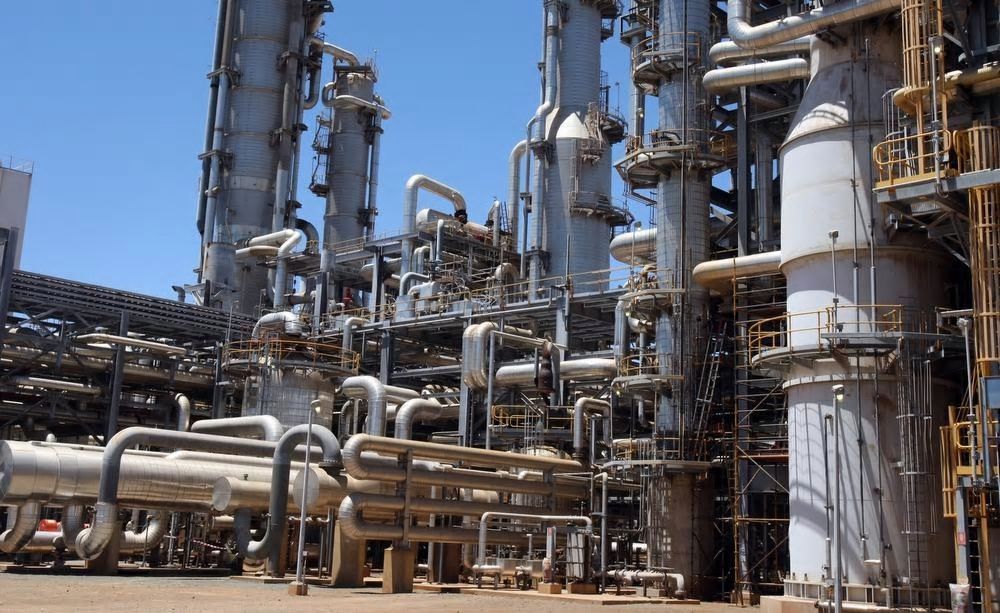
Industrial facilities rely on coatings to protect pipelines, storage tanks, process equipment, and structural steel from harsh operating conditions.
Why Independence & Certification Matter
Choosing an independent, certified coating inspector adds value through reliable assessments and trusted documentation.
Impartial Advice & Traceable Records
An independent inspector provides unbiased guidance backed by detailed, auditable records. That builds confidence in inspection outcomes and helps meet regulatory requirements.
Value of NACE-Certified Inspectors
NACE certification shows inspectors meet recognised standards of knowledge and competence in protective coatings. Using certified inspectors lowers risk, improves credibility, and supports technical quality.
Preparing for a Coating Inspection
Good preparation makes inspections more effective and efficient.
Essential Client Documentation & Access
Provide coating specifications, engineering drawings, product data sheets, inspection and test plans, relevant standards, and a clear project schedule. Timely, safe site access is also critical.
Understanding Asset History & Project Schedule
Information about the asset’s condition and past maintenance helps shape inspection planning. A clear project timeline ensures inspection resources are available at the right moments.
Choosing a Coating Inspection Provider in Australia
Picking the right provider is key to coating quality assurance.
Relevant Experience & Technical Competence
Choose providers with demonstrated industry experience, qualified coating inspectors, and the technical skills that match your asset type and specifications.
Comprehensive Reporting & Standards Knowledge
Look for clear, detailed reporting and a thorough knowledge of Australian and international coating standards.
Availability & Australia-Wide Support
A dependable inspection service offers nationwide coverage, including support for remote and regional locations, so standards remain consistent wherever the work is carried out.
Work With Corrplus for Your Coating Inspection Needs
Corrplus provides professional coating inspection services tailored to asset protection needs across Australia.
Australia-Wide Services Including Regional Queensland
Corrplus supports projects in Queensland metro areas and regional locations, delivering consistent inspection standards wherever assets are located.
Support for Overseas Manufacturing Inspections
Corrplus also inspects coatings applied during overseas fabrication, confirming compliance before shipment.
Request a Tailored Quote
Submit your project details and schedule to Corrplus today for expert, independent coating inspection services that safeguard asset longevity and compliance.